
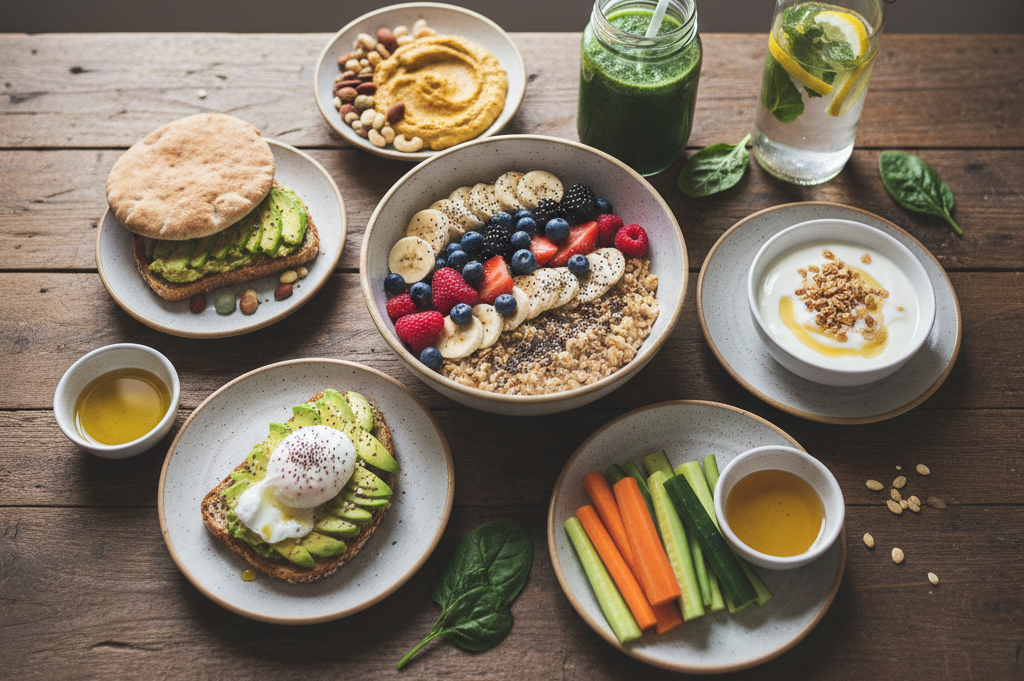
What we eat every day plays a major role in how we feel, think, and function. While no single food can provide everything the body needs, including a variety of essential foods in our daily routine helps maintain energy, support immunity, improve digestion, and protect long-term health. Building meals around nutrient-dense, balanced foods makes healthy eating sustainable and effective.
1. Fruits: Daily Natural Energy Boosters
Fruits should be a daily staple because they are rich in vitamins, minerals, antioxidants, and natural sugars that provide quick, clean energy. Apples, bananas, oranges, berries, and seasonal fruits support immune function, improve skin health, and help reduce inflammation.
Bananas are especially useful for potassium and muscle function, while berries are packed with antioxidants that protect cells from damage. Eating fruit whole—rather than as juice—also provides fiber, which aids digestion and helps control blood sugar.
2. Vegetables: The Foundation of Everyday Nutrition
Vegetables are essential for daily health and should make up a large portion of every meal. Leafy greens such as spinach, lettuce, kale, and arugula provide iron, calcium, folate, and vitamins A, C, and K. Cruciferous vegetables like broccoli, cauliflower, and cabbage support detoxification and gut health.
Including a variety of colors—green, red, orange, yellow, and purple—ensures a wide range of nutrients and health benefits. Fresh, frozen, and lightly cooked vegetables can all be part of a healthy daily routine.
3. Whole Grains: Sustained Energy Throughout the Day
Whole grains are a key source of complex carbohydrates, which supply steady energy and support brain function. Foods such as oats, brown rice, whole wheat bread, quinoa, and barley contain fiber, B vitamins, and important minerals.
Unlike refined grains, whole grains digest slowly, preventing energy crashes and helping you stay full longer. Including whole grains at breakfast or lunch can improve focus and productivity during the day.
4. Protein-Rich Foods: Building and Repairing the Body
Protein is essential every day for muscle repair, tissue growth, hormone production, and immune defense. A balanced routine should include protein at each meal. Healthy options include eggs, fish, poultry, legumes, lentils, beans, tofu, yogurt, and lean meats.
Eggs are a complete protein and easy to include daily. Fish, especially fatty fish like salmon and sardines, provides omega-3 fatty acids that support heart and brain health. Plant-based proteins are also important for digestion and long-term health.
5. Healthy Fats: Essential for Brain and Heart Health
Healthy fats are often misunderstood, but they are crucial for daily nutrition. They help absorb vitamins, support brain function, and maintain hormonal balance. Sources such as olive oil, avocados, nuts, seeds, and fatty fish provide beneficial unsaturated fats.
Adding a small amount of healthy fat to meals increases satiety and improves nutrient absorption. The key is moderation and avoiding trans fats and heavily processed oils.
6. Dairy or Dairy Alternatives: Supporting Bones and Gut Health
Milk, yogurt, cheese, and fortified plant-based alternatives provide calcium, protein, and vitamin D, which are essential for bone strength. Yogurt with live cultures also supports gut health by improving the balance of beneficial bacteria.
Low-fat or unsweetened options are generally the best choice for daily consumption.
7. Nuts and Seeds: Small Foods with Big Benefits
Nuts and seeds are nutrient powerhouses that can be easily included in daily snacks or meals. Almonds, walnuts, chia seeds, flaxseeds, and pumpkin seeds contain protein, fiber, healthy fats, and minerals like magnesium and zinc.
They help control hunger, support heart health, and stabilize blood sugar levels when eaten in appropriate portions.
8. Water: The Most Important Daily Essential
Although not a food, water is the most important part of the daily routine. Proper hydration supports digestion, circulation, temperature regulation, and brain function. Drinking enough water throughout the day helps prevent fatigue, headaches, and overeating.
Herbal teas, soups, and water-rich fruits and vegetables also contribute to hydration.
9. Herbs and Spices: Daily Flavor with Health Benefits
Herbs and spices such as garlic, ginger, turmeric, cinnamon, and black pepper add flavor without extra calories. Many have anti-inflammatory, antibacterial, and antioxidant properties.
Using herbs and spices daily can enhance digestion, improve immunity, and reduce the need for excess salt or sugar.
Tips for Building a Balanced Daily Routine
Aim for balanced meals that include protein, fiber, and healthy fats
Eat at regular times to stabilize energy levels
Choose whole, minimally processed foods
Prepare meals at home when possible
Listen to hunger and fullness cues
Conclusion
Must-have foods in our daily routine are not about strict rules or perfection. They are about consistency, variety, and balance. By including fruits, vegetables, whole grains, protein-rich foods, healthy fats, and proper hydration each day, we create a strong nutritional foundation that supports energy, mental clarity, immunity, and long-term well-being. Small, mindful food choices made daily can lead to lasting health benefits over time.

Comments (0)
No comments yet. Be the first to comment!
Leave a Comment